


Garden Planning Do's and Don'ts
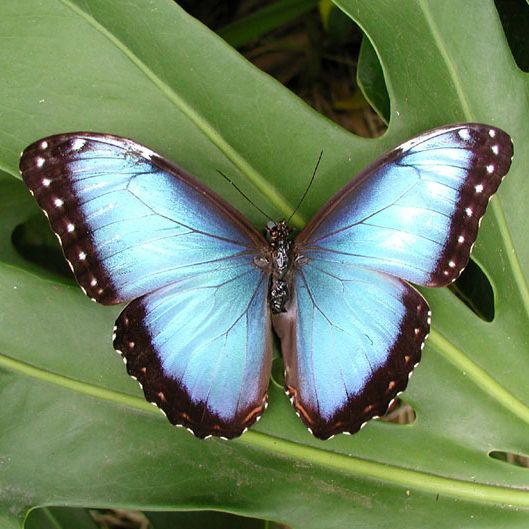
Indigenous plants make everything better
Editor's note: Butterflyway Rangers and gardeners Hana Boye and Val Morton offer these follow-up suggestions to last week's article on native species garden planning.
Common Invasive Plants in Lions Bay, BC

Story and photos by Hana Boye and Val Morton
Promoting native plants and other organisms
With spring almost here, there are a number of things we can do to promote the growth of native plants and other organisms in our gardens, beginning right from walking through your local nursery.
Try to choose native plants when buying from nurseries.
A garden full of native plants supports a greater diversity and abundance of pollinator species. Native plants are also better adapted to local conditions, which makes them easier to grow and more likely to survive.
It's also important to avoid pesticides, including insecticides, fungicides and herbicides, since they are often harmful to wildlife. Let at least a portion of your yard be somewhat messy. Many helpful organisms hide under leaves and twigs, or live in decaying matter such as old stumps and fallen leaves. Many native bees are ground nesting and create burrows in soil. They need access to bare soil and may be negatively impacted by tilling. Some insects overwinter and complete their life cycle inside hollow plant stems. Leaving some of these stems uncut allows these organisms to survive.
The threat of invasive species
Second only to habitat loss, invasive plants and animals have been identified as the most significant threat to biodiversity.
Invasive plants are species that are not native to our region and have not co-evolved with other native species, therefore lacking natural predators. They tend to grow rapidly and form monocultures while out-competing native species.
Invasive plants can adversely affect native tree populations by blocking out the light that seedlings need. Over time, this change can result in the loss of biodiversity (fewer insects, birds and wildlife), more soil erosion, a more monotonous landscape, and a less resilient environment. Invasive plants can also alter water flow and lead to erosion or a reduction in available water, create and increase fire hazards, damage roads and other built structures, contain substances that are toxic to humans and animals, and reduce crop yields.
Much of the spread of invasives happens unintentionally. For plants, the spread of invasives most often occurs by purchasing and planting invasives, and by dumping garden debris into parks, ditches or wild areas.
Invasive plants are still commercially sold. Please do not plant invasive species in Lions Bay. If they are on your property, consider removing them to prevent further invasion. The Sea to Sky Invasive Species Council provides information about invasive species and beneficial alternatives: https://ssisc.ca/invasives/invasive-plants/
Resources
All of the following resources offer more information about native plants, butterflies and bees. Check them out!
And if you have questions or are interested in joining the Lions Bay Gardening Group, please drop us a line on the Lions Bay Butterflyway Facebook page. Our first event of the year is an ivy pull down by the Village Hall later this month. We'd love to see you there!
The Watershed welcomes your thoughts.
Leave your comments below,
or email us at editor@lionsbaywatershed.ca
Like what you're reading?
For as little as $5/month, you can support local independent journalism
by subscribing to The Watershed HERE.


Comments