


Spring Hiking Conditions Bring Risks
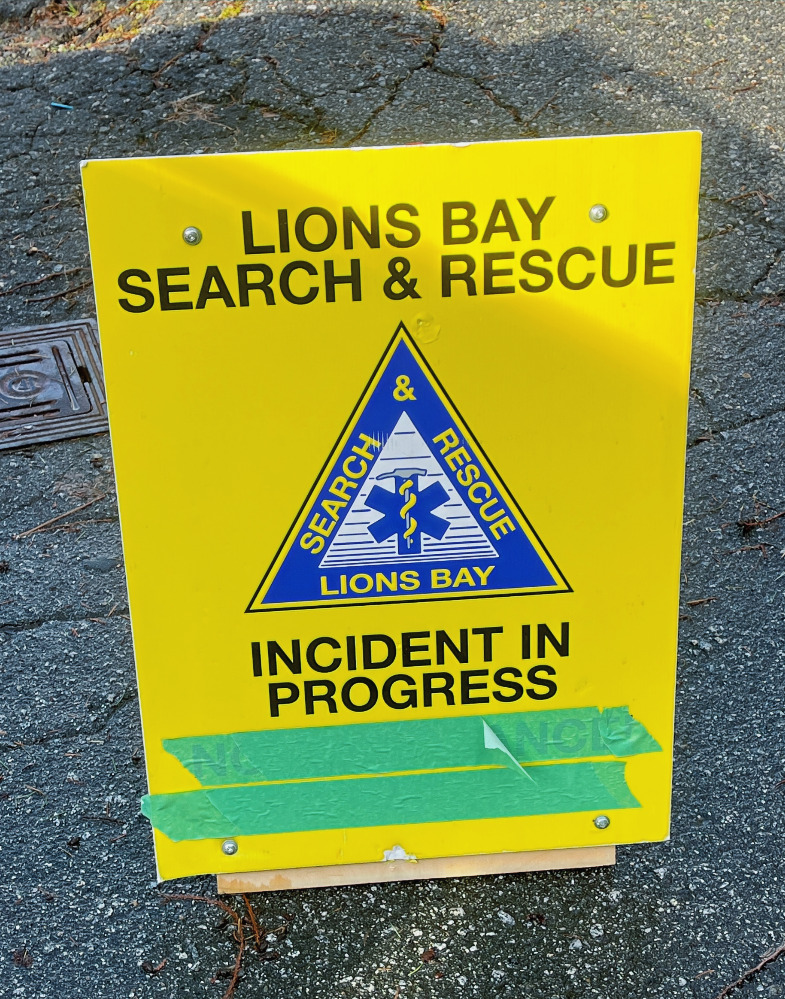
LBSAR Urges Caution
Story by LBSAR member Maria Masiar

Lions Bay Search and Rescue is urging hikers to take extra precautions as unusual spring conditions are creating a challenging and often deceptive environment in the backcountry.
Following a recent rescue involving a hiker who became lost and dehydrated after leaving the trail to access water, teams are seeing an early shift in seasonal risk. Warm temperatures, hitting as high as 27 degrees, have already led to dehydration-related incidents, while alpine areas still hold snow, creating a mix of summer and winter hazards.
“This is a transitional period where people underestimate the conditions,” said LBSAR manager Ed Langford. “It feels like summer down low, but the reality in the alpine is very different. Running shoes are inadequate for this type of terrain, and people are getting caught off guard by lingering snow - as we saw in a recent rescue near Garibaldi Lake."
In the Howe Sound Crest Trail corridor, including Mount Harvey and Brunswick, water sources remain limited. Outside of areas like Magnesia Meadows, reliable water is scarce. Despite some remaining snow at higher elevations, it is often not accessible or sufficient for hydration and would require melting snow.
Attempting to access water by descending into creeks is strongly discouraged. In many areas, creeks run through steep terrain and act as terrain traps, often leading to cliffs or hazardous features where escape becomes difficult or impossible.
Recent incidents in the Sea to Sky region have also highlighted the risks of leaving established trails and travelling near water features. Steep terrain near creeks and waterfalls often involves slippery rock, loose footing, and significant exposure. Proper footwear is essential in these environments, as inadequate footwear can significantly reduce traction and stability.
“These environments are unforgiving - once you leave the trail or commit to terrain near water, the margin for error becomes very small.”
The combination of dry forest conditions, limited water, and remaining snow patches also increases the likelihood of slips, navigation errors, and fatigue. Recent incidents across the region have highlighted how quickly a routine hike can escalate when conditions are misjudged.
LBSAR is reminding hikers that preparation for this time of year requires planning for both summer and winter conditions.
Recommendations for Spring Hiking:
Carry 3–4 litres of water for longer hikes such as Mount Harvey or Brunswick
Bring electrolytes to support hydration
Use sun protection, including hats, sunglasses, and sun hoodies
Wear adequate footwear suitable for steep and uneven terrain
Carry microspikes for lingering snow in the alpine
Use trekking poles for stability, especially on steep descents
Bring spare batteries and a headlamp, even for day trips
Cellphone with data for navigation and calling for help
Pack warm layers, as injuries or delays can lead to prolonged exposure in cooler conditions
“These conditions demand respect,” Langford added. “We’re already seeing incidents earlier than usual. Taking a few extra precautions can make a significant difference.”
Lions Bay Search and Rescue continues to monitor conditions closely and encourages all backcountry users to plan accordingly, stay on established trails and avoid committing terrain when conditions are uncertain.
Editor's Note: LBSAR reports that in all three rescues they undertook over the past week, inappropriate footwear for conditions played a part. Running shoes and flipflops are not sufficient for BC hiking trails.
The Watershed values your thoughts. Leave your comments below, or email us at editor@lionsbaywatershed.ca
Like what you're reading? For as little as $5/month, you can support local independent journalism by subscribing to The Watershed HERE.


Comments